Macronutrients
How much protein do you actually need?
The EU reference value is 0.83 g per kilogram of body weight per day — far less than gym culture assumes, and easier to reach than most people think.
Friday, 18 September 2026Nutrition, with receipts
Plate & ProofArchive
20 pieces, newest first. Each one ends with the documents it leans on — mostly EFSA and the WHO.
The EU reference value is 0.83 g per kilogram of body weight per day — far less than gym culture assumes, and easier to reach than most people think.
NOVA is a classification of how food is made, not a measure of how good it is. Almost every argument about ultra-processed food comes from confusing the two.
EFSA's adequate intake is 350 mg a day for men and 300 for women. The gap between that and what the pill bottles promise is where most of the confusion lives.
Per-100 g is the comparison tool, the ingredient list is sorted by weight, and three lines tell you most of what the front of the pack won't.
EFSA sets an adequate intake of 3,500 mg a day. Most sodium advice quietly assumes you are also hitting it, and most Europeans are not.
EFSA's reference range is 20 to 35 per cent of energy from fat. Inside that range, the composition matters far more than the total.
The WHO advised against using non-sugar sweeteners for weight control. What it actually said is narrower — and more interesting — than the headlines.
EFSA put numbers on caffeine in 2015 — 400 mg a day, 200 mg in one go. Most people are further from those limits than they think.
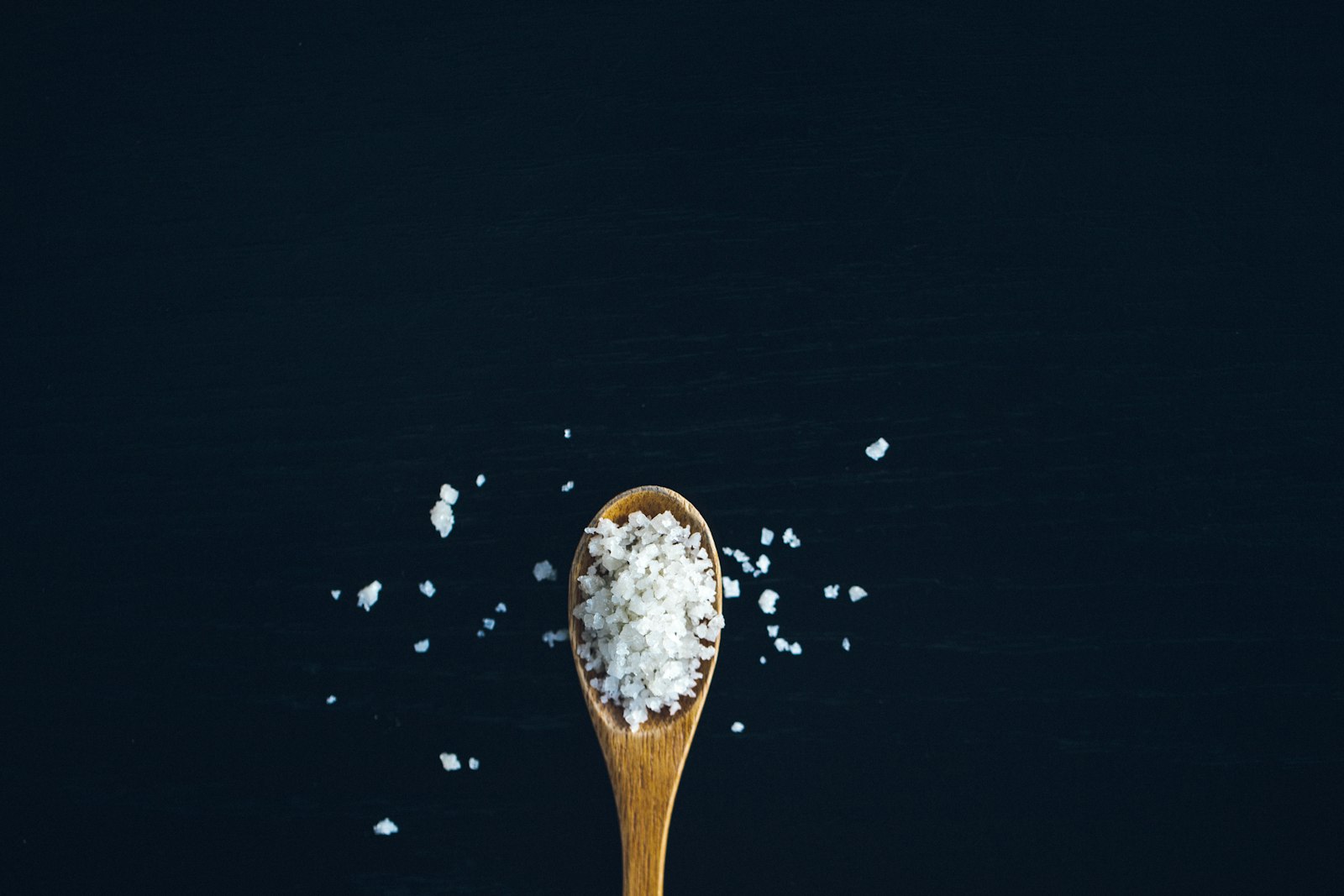
Frozen vegetables, brown eggs and fancy salt — what the evidence and the regulations actually say about the aisle's most persistent folklore.
EFSA's adequate intake for adults is 250 mg of EPA plus DHA a day. That is two portions of oily fish a week, and almost nothing else on the shelf.
EFSA's reference intake is 950 mg a day for adults over 25. Dairy is the easy route there, and it is not the only one.
EFSA sets 11 mg a day for men and 16 mg for premenopausal women. The gap between those two numbers explains almost everything about iron deficiency.
EFSA's adequate intake is 15 micrograms a day for adults — a figure set for the case where your skin is making none of it. Between October and March in northern Europe, that is the case.
In EU law, light means the same as reduced: thirty per cent less of something than a comparable product. Thirty per cent less than what is the interesting part.
Free sugars below 10% of daily energy — around 50 grams on a typical adult intake — with extra benefit suggested below 5%. And why 'free sugars' is the phrase that matters.
Those two phrases are not marketing language. They are defined in EU law, to the gram, and the definitions are lower than shoppers assume.
The WHO updated its fats guidance in 2023. The headline number is 10% of energy — but the sentence that matters is about what you swap it for.
EFSA's adequate intakes are 2.0 litres a day for women and 2.5 for men — counting all drinks and the water inside food. The eight-glasses rule was never the source.
The WHO's number is under 5 grams of salt a day. Most of Europe eats roughly twice that, and almost none of it comes from the salt cellar.
EFSA puts adequate fibre intake at 25 grams a day for adults. Intake surveys keep finding averages below it — here's what 25 grams actually looks like.