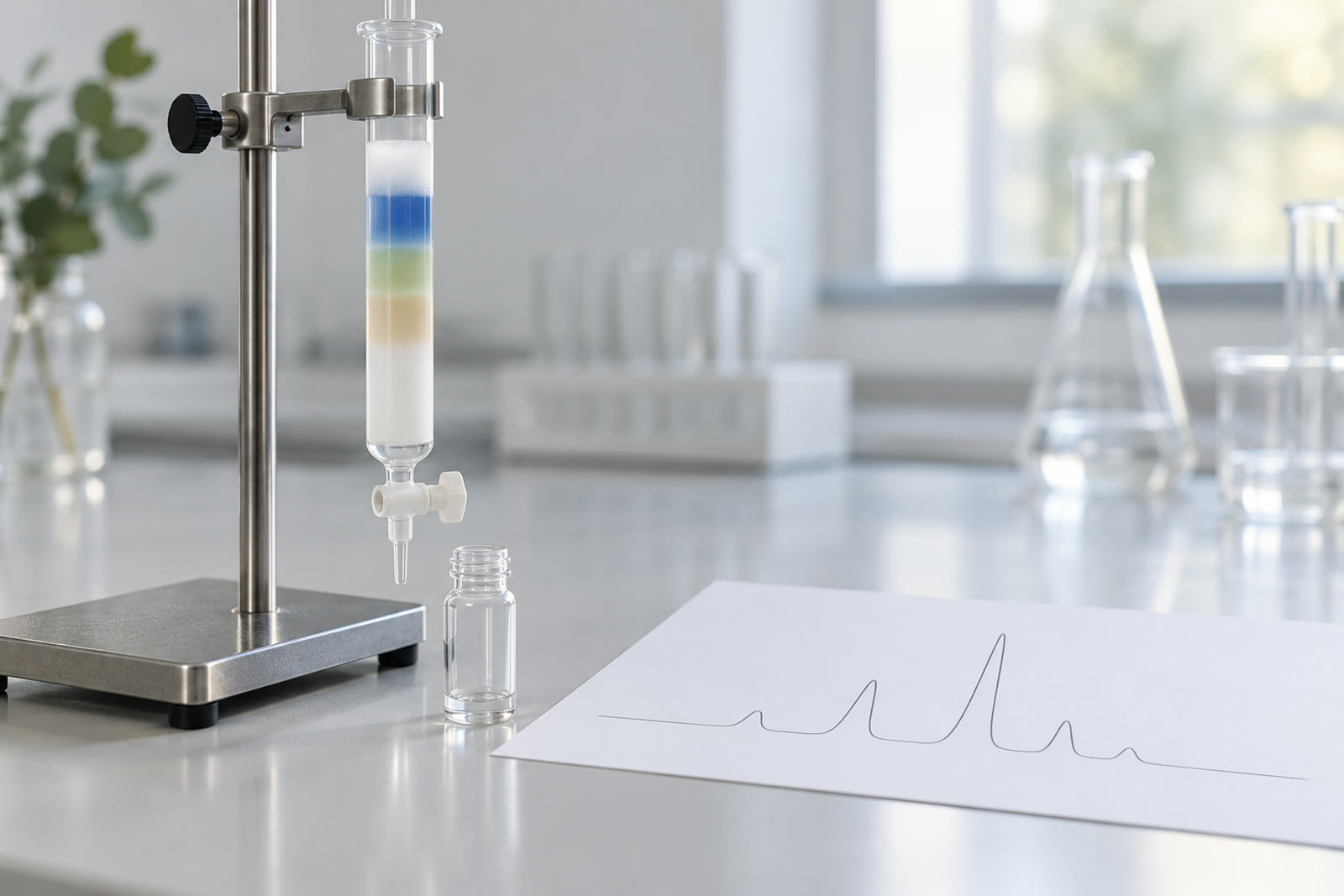
We have written at length about how to read a nutrition label, and the logic behind those pieces applies exactly as well to a document many readers see far more rarely: the certificate of analysis. It travels under words like “third-party tested”, “lab verified”, “independently assayed”. Those words describe a process. The document behind them describes one measurement.
So here is the structural difference first, because everything else follows from it. A nutrition label is a declaration about the product. A certificate of analysis is a record about a batch. One says what should be there; the other says what a laboratory found when it looked, using a named method, on a named date. Neither is a quality grade. Neither is a seal. If a page presents one as the other, that is the first thing to unpick.
The regulatory shape behind the paper
This is not an invention of the supplement trade. Before any batch of a prescription medicine leaves a factory, federal rules in the United States require it to be tested and released, by qualified personnel who document the testing. That is section 211.84 of the Code of Federal Regulations, part of the good manufacturing practice rules. The same paragraph is what makes a batch number meaningful rather than decorative: the release attaches to a specific batch.
The parallel standard for the measurement itself is the international guidance on validation of analytical procedures, issued as ICH Q2(R2) and published by the US regulator as guidance for industry. Its logic is the checklist a laboratory-grade document should let you reconstruct: which method was used, what it was validated against, whether it is specific enough not to be fooled by a related compound, and whether the reported figure comes with an honest account of its precision.
The five lines I look for
The named method. A result without a method is a number without a ruler. The measured value with its precision. A value sitting exactly on the label figure should raise a question rather than end one; a value modestly under it is completely ordinary, because loss in processing is ordinary. The batch number and the date. Without these, the document cannot be tied to any physical object you might hold. The laboratory, with enough detail to be real. A logo is not an identification. The release signature and date. In the regulatory model the release comes after the testing and carries a named signature. A document without one is a printout.
Why the paperwork is not the reassurance you wanted
Because the reason documents like these matter is not abstract. Between 2007 and 2016, US regulators identified 776 adulterated dietary supplements across 146 companies. The categories were predictable: products marketed for sexual function, for weight loss, for muscle building. In a fifth of the notices the product contained more than one unapproved active ingredient.
Read that pattern rather than the headline count. These were not mainly sophisticated forgeries. They were supply chains with unchecked steps - an unverified raw material, a filling line nobody audited, a lab that had no way or no reason to produce a real document. Which is exactly the situation a batch document exists to rule out, and exactly why a document that could not survive the five questions above is worth nothing.
What the data do not show
They do not show that a product with a certificate of analysis is safe to take, or that one without is not. They do not cover contaminants a method was never looking for, because a method tests for what it was designed to test. And they say nothing about the part of the chain that happens after the release date. The contamination literature in sport follows exactly that path, where a documented, legitimate product meets an undocumented handling step. The document closes one link in the chain, and the chain is longer than the document.
The tell, if there is one
Genuine laboratory documents are usually untidy. Mixed fonts, a header that does not quite match the footer, a product name misspelled because it was typed by someone reading a work order. Fabricated ones look like brochures: perfect alignment, no stray marks, no date with a time on it. That is not proof of anything on its own. It is a reason to ask the five questions.
So this does not stay theoretical: this is what a catalogue page looks like when the batch documentation is published — the testosterone cypionate catalogue row, which publishes the batch report this article describes. The report describes one measurement of one batch, not an effect.
This article describes regulatory requirements and published research. It is not a substitute for advice from a laboratory or a qualified professional.