Sodium gets all the attention because it has a villain’s profile. Potassium is the same conversation seen from the other side, and it is the half that almost never makes the front of a packet.
EFSA sets an adequate intake of 3,500 mg per day for adults. Typical European intakes fall below it, and the shortfall tracks the same dietary pattern that pushes sodium up: less cooking from whole ingredients, more manufactured food.
Why the two travel together
Blood pressure responds to the balance between sodium and potassium, not to sodium alone. Potassium promotes sodium excretion and relaxes vascular smooth muscle; the net effect of raising potassium intake, in trials, is a modest fall in blood pressure, and a larger one in people whose sodium intake is high.
Which is why a diet that is genuinely good for blood pressure moves both levers at once. Cutting salt while living on white bread and processed meat improves one number and leaves the other one where it was.
Where it is
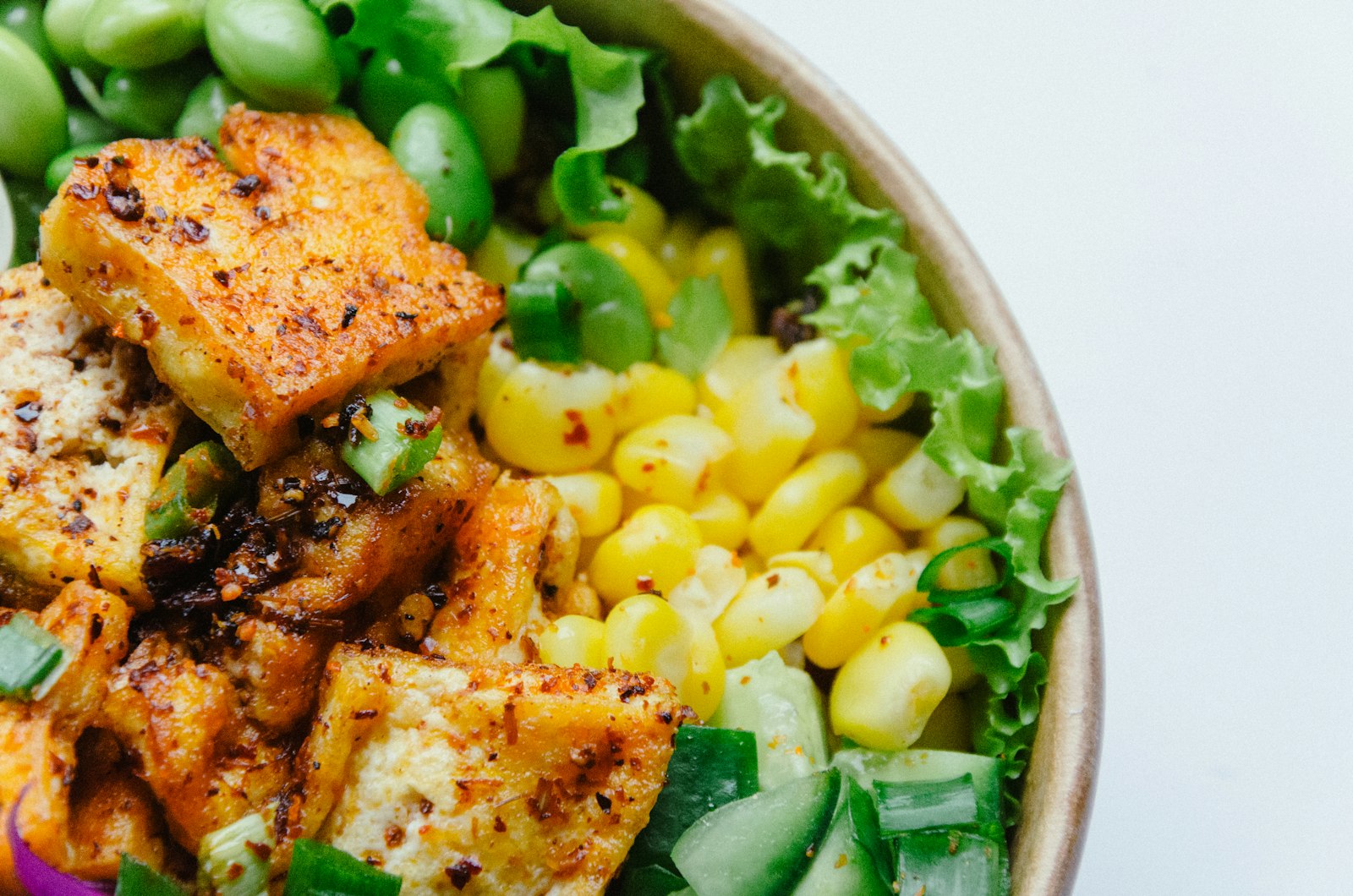
Potassium is abundant in exactly the foods a boring dietitian would name:
- Potatoes — including the skin, and including sweet potatoes. Per portion, one of the richest sources in an ordinary European diet.
- Pulses — beans, lentils, chickpeas. Substantial, and cheap.
- Leafy greens and brassicas — spinach, kale, chard, broccoli.
- Tomatoes, especially concentrated forms like purée and passata.
- Fruit — bananas, apricots (dried especially), oranges, melon.
- Nuts, seeds, wholegrains, and plain yoghurt and milk.
The banana’s reputation is a marketing artefact rather than a nutritional ranking. A medium banana is a decent source; a baked potato with its skin, or a bowl of beans, carries considerably more.
If your plate has a potato, a pulse and something green on it, the potassium question has answered itself.
The cooking detail that matters
Potassium is water-soluble, and boiling leaches it out. Boiled and drained vegetables lose a meaningful share of theirs into the water; steaming, roasting, baking, or using the cooking liquid in a soup or sauce keeps it. This is not a large effect for someone eating plenty of plants, and it is a real one for someone whose vegetables are always boiled.
When more potassium is the wrong advice
This is the point where general nutrition writing has to stop.
Potassium is excreted by the kidneys. In people with impaired kidney function, and in people taking potassium-sparing diuretics, ACE inhibitors or angiotensin receptor blockers, potassium can accumulate to genuinely dangerous levels — hyperkalaemia is an emergency, not an inconvenience. For those people the advice is frequently the exact opposite of the one above, and it comes from their clinician.
The same caveat applies to potassium-based salt substitutes, which are an effective public-health tool in the general population and a hazard in that group.
For a healthy adult with working kidneys, none of this is a reason for caution about food. Nobody has come to harm from eating too many lentils. The warning exists because potassium supplements and substitutes are a different proposition from vegetables, and the internet does not always distinguish.