Every supermarket carries two inventories: the food, and the folklore about the food. The second one is harder to throw out. Three specimens, examined.
Myth 1: “Frozen vegetables are worse than fresh”
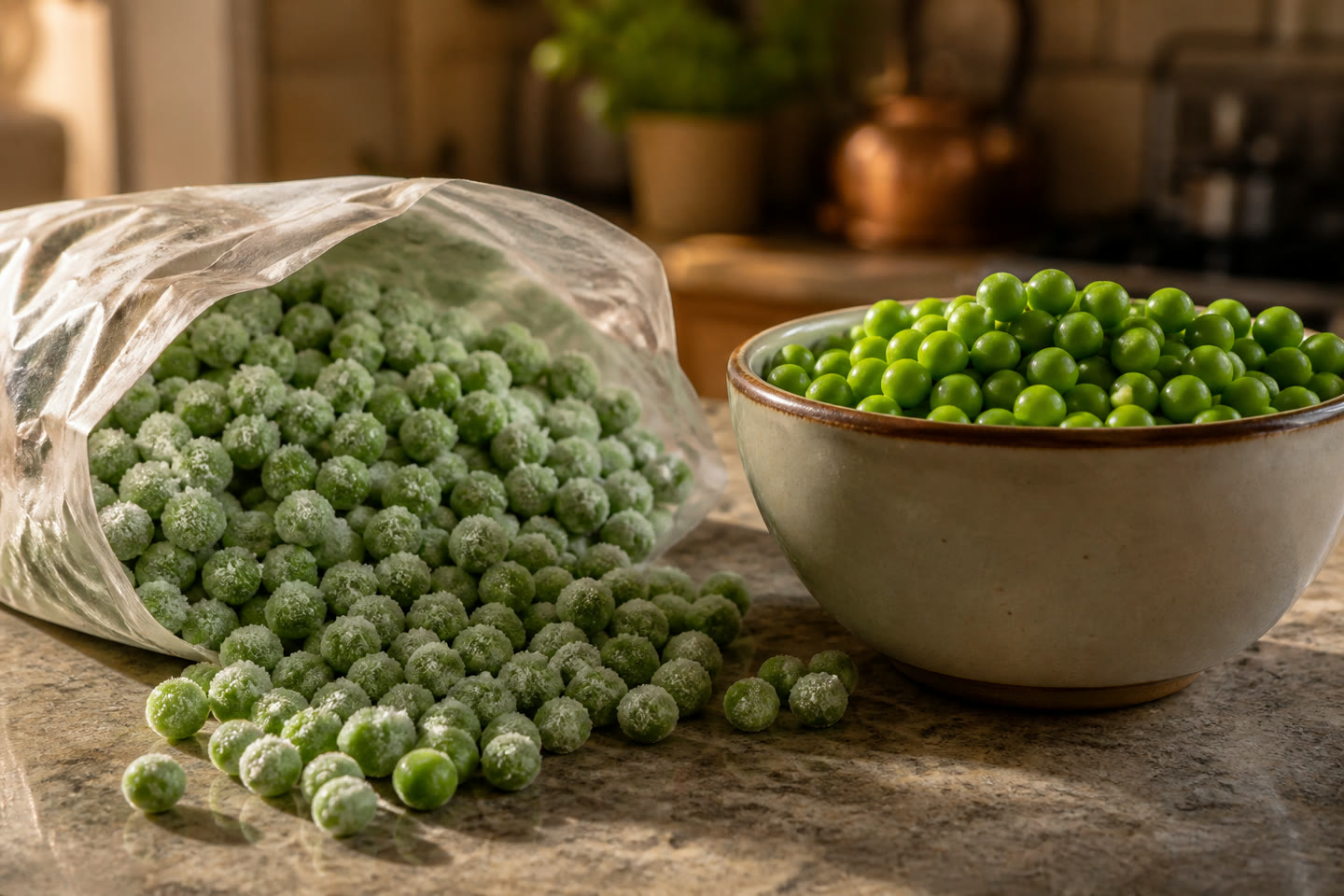
Frozen vegetables are typically processed within hours of harvest, which freezes their nutritional state along with everything else. “Fresh” vegetables, meanwhile, may have spent days in transit and storage before reaching your basket, quietly ageing the whole way.
In practice the two are broadly comparable, and the frozen bag has practical advantages the folklore ignores: no waste, no wilting deadline, and availability in January. Given that healthy-eating guidance (the WHO works from at least 400 g of fruit and veg a day) is mostly lost to not eating vegetables at all, the freezer is an ally, not a compromise.
Myth 2: “Brown eggs are healthier than white”
Shell colour is determined by the breed of the hen, not by nutrition, welfare or virtue. Brown and white eggs of the same size from the same farming system are nutritionally the same egg in different packaging. The label information that does describe meaningful differences — farming method, freshness class — is printed on the box and, in the EU, stamped on the egg itself. The shell colour is just decor.
Myth 3: “Sea salt / Himalayan salt is better than table salt”
Gourmet salts are sodium chloride with trace minerals in amounts too small to matter nutritionally, plus geology-themed marketing. Body-relevant difference: essentially none — salt is salt, and the sensible universal advice is less of it, whatever its origin story.
One nuance runs in ordinary table salt’s favour: it’s commonly iodised, and iodine is a nutrient the fancy alternatives typically don’t bring. If all your salt is boutique, you’ve paid more to remove a fortified nutrient.
The pattern
All three myths sell the same product: the feeling of a smarter choice without a real difference underneath. The unglamorous version — frozen veg in the freezer, whichever eggs suit your budget and welfare preference, less salt overall — wins on the merits and costs less. The folklore aisle can keep the change.