Salt is the only nutrient most people think they have under control, because the control looks like a physical object: a little pot on the table, and a decision about whether to reach for it. That decision turns out to be close to irrelevant.
The number
The World Health Organization recommends adults consume less than 5 grams of salt per day — about one level teaspoon. In sodium terms, which is what the science actually measures, that is under 2 grams of sodium. Salt is roughly 40% sodium by weight, so the conversion is sodium × 2.5 = salt.
Across Europe, actual intakes sit at roughly double that. Not because people are heavy-handed at dinner, but because of where salt lives.
Where it actually is
In most European diets, the large majority of salt arrives already inside the food. The reliable offenders are not exotic:
- Bread. Modest per slice, enormous per week, because of how much of it gets eaten. In many countries bread alone is the single largest contributor.
- Cheese. Salt is part of how cheese is made and kept, not an afterthought.
- Processed and cured meat. Ham, bacon, salami — cured means salted.
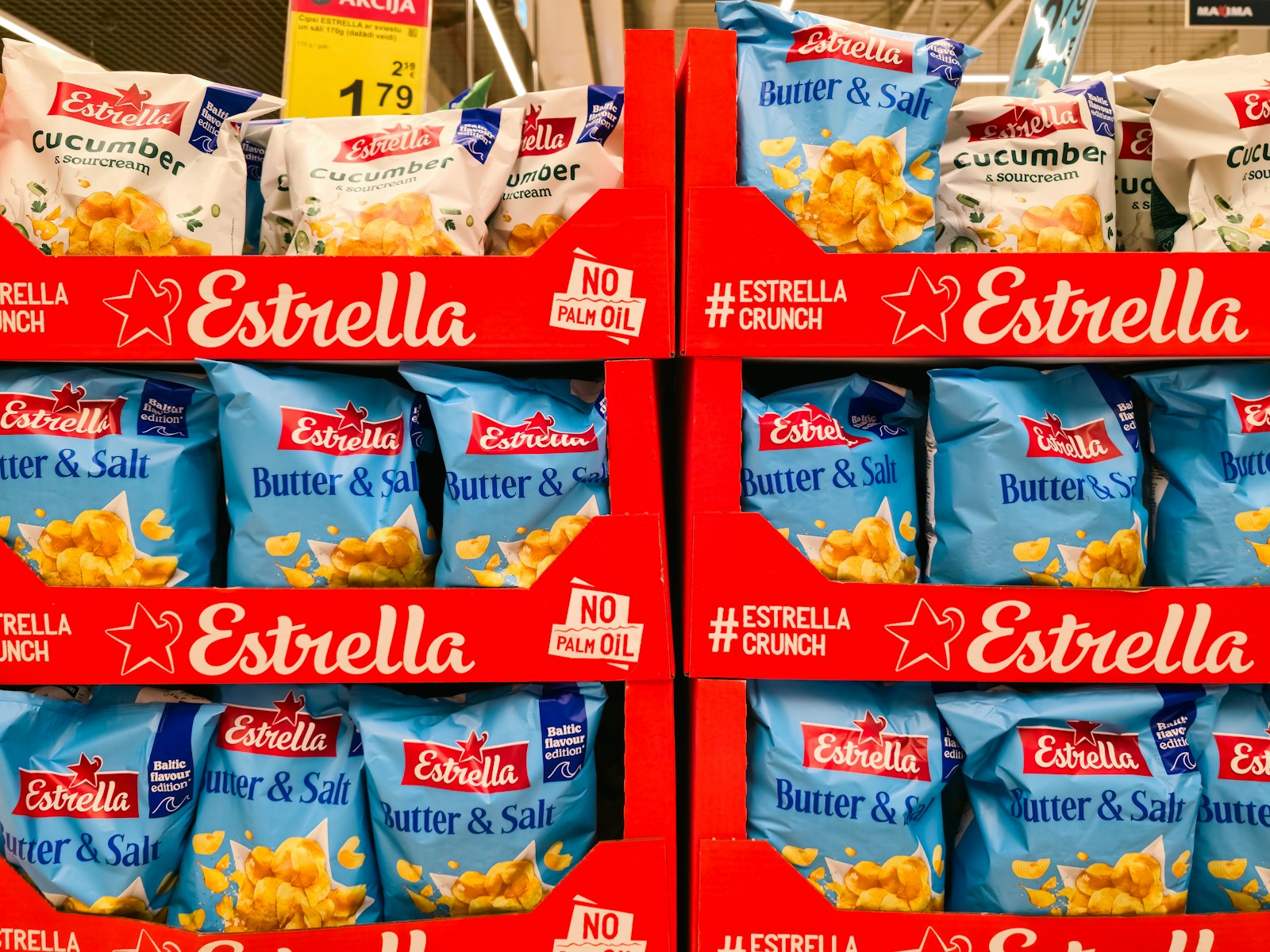
- Sauces, stock cubes, soy sauce, ready meals, crisps. Obvious, and still underestimated, because the portion on the pack is smaller than the portion in the bowl.
Which is why “I don’t add salt” is a true statement that changes very little. The shaker is a rounding error next to a sandwich.
Why the target is set where it is
Sodium intake raises blood pressure, and blood pressure is the single biggest modifiable driver of stroke and heart disease. That relationship is about as well-established as anything in nutrition, which is why the guidance is unusually blunt for the WHO: a strong recommendation, not a suggestion.
The honest caveat is that the population-level case is much stronger than the individual one. Blood pressure response to sodium varies between people, and someone with normal blood pressure at 6 grams a day is not in danger. The guideline exists because shifting an entire country’s average down a gram or two moves the stroke statistics measurably, even though no single person notices anything.
Reading a label for it
EU labels give salt, not sodium, per 100 g. That makes comparison easy if you remember two thresholds:
Low salt, legally, means no more than 0.12 g of sodium — about 0.3 g of salt — per 100 g.
Anything above roughly 1.5 g of salt per 100 g is a high-salt food by most national front-of-pack schemes. Between those, you are in the ordinary middle, and the question becomes how much of it you eat rather than what it says.
Two practical habits do more than any amount of shaker discipline: compare the salt figure between two brands of the same thing — the range within a category is often two- or threefold — and treat bread as a category worth comparing, because it is the one you will eat every day for the next thirty years.
What does not work
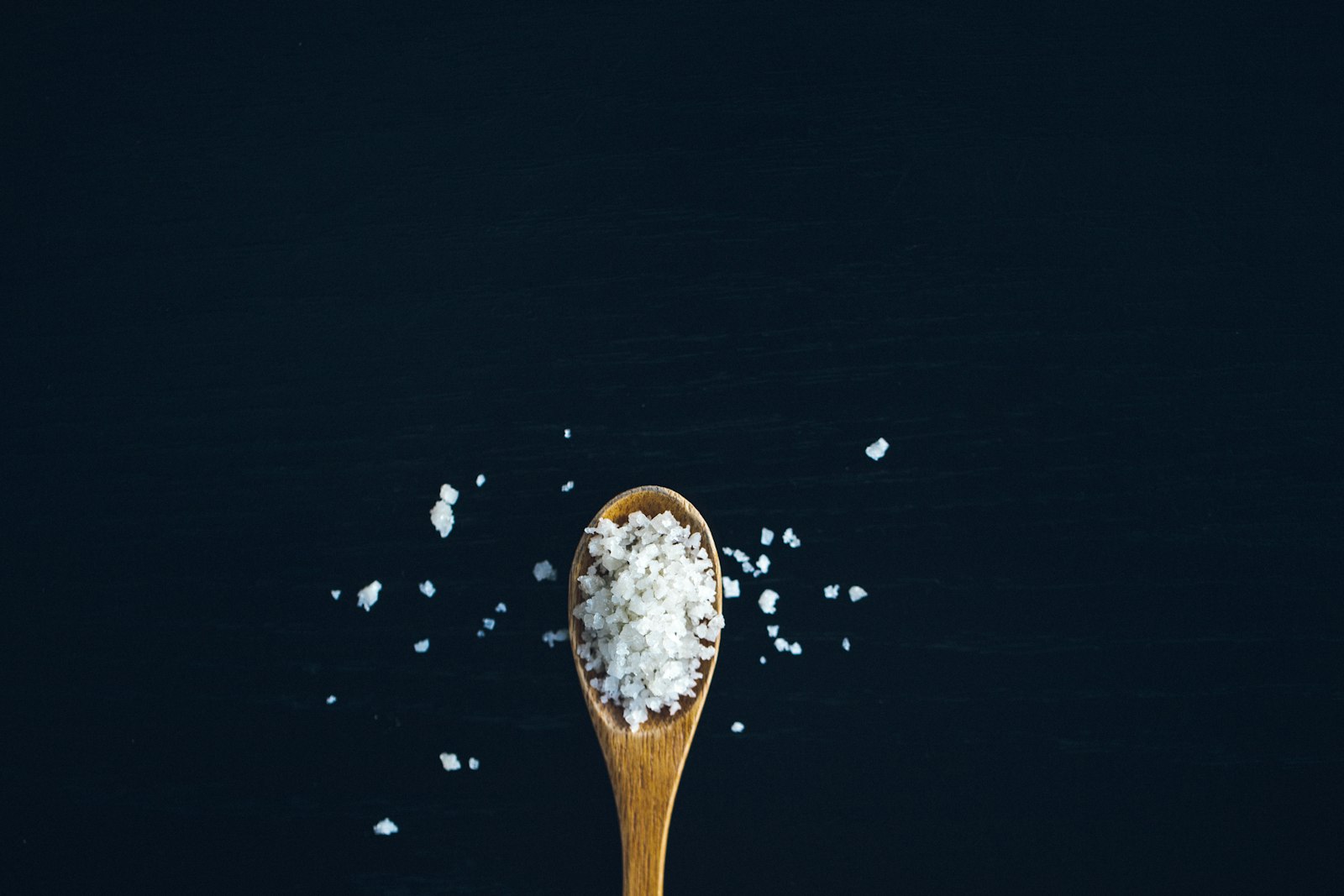
Swapping table salt for sea salt, rock salt, pink salt or flakes changes nothing that matters. They are all overwhelmingly sodium chloride; the trace minerals that justify the price are present in amounts too small to have a nutritional effect. If a coarser flake means you use less of it by volume, that is a real if modest win — but it is a win about quantity, not about the salt being different.
Potassium-based salt substitutes are a genuine intervention rather than a marketing one, and they have trial evidence behind them. They are also not suitable for everyone — kidney disease and some blood-pressure medications make extra potassium a problem — which is the sort of sentence that means: ask a professional rather than a food website.