Iron is unusual among nutrients in that the population reference intake is not one number. EFSA sets a PRI of 11 mg per day for adult men and postmenopausal women, and 16 mg per day for premenopausal women — and notes that the higher figure covers the requirement of roughly 95% of premenopausal women, which is a polite way of saying the distribution has a long tail.
Why the two numbers differ
Menstrual losses. Iron is conserved aggressively by the body — there is no regulated excretion route — so intake requirements are driven almost entirely by losses, and a monthly blood loss is by far the largest one in an otherwise healthy adult. Everything else about iron nutrition follows from this.
It also means the groups who run short are predictable rather than mysterious: premenopausal women, particularly those with heavy periods; adolescents in a growth spurt; pregnant women; regular blood donors; and people whose diets supply iron in the less absorbable form without much help.
Haem and non-haem
There are two kinds of dietary iron and they behave differently.
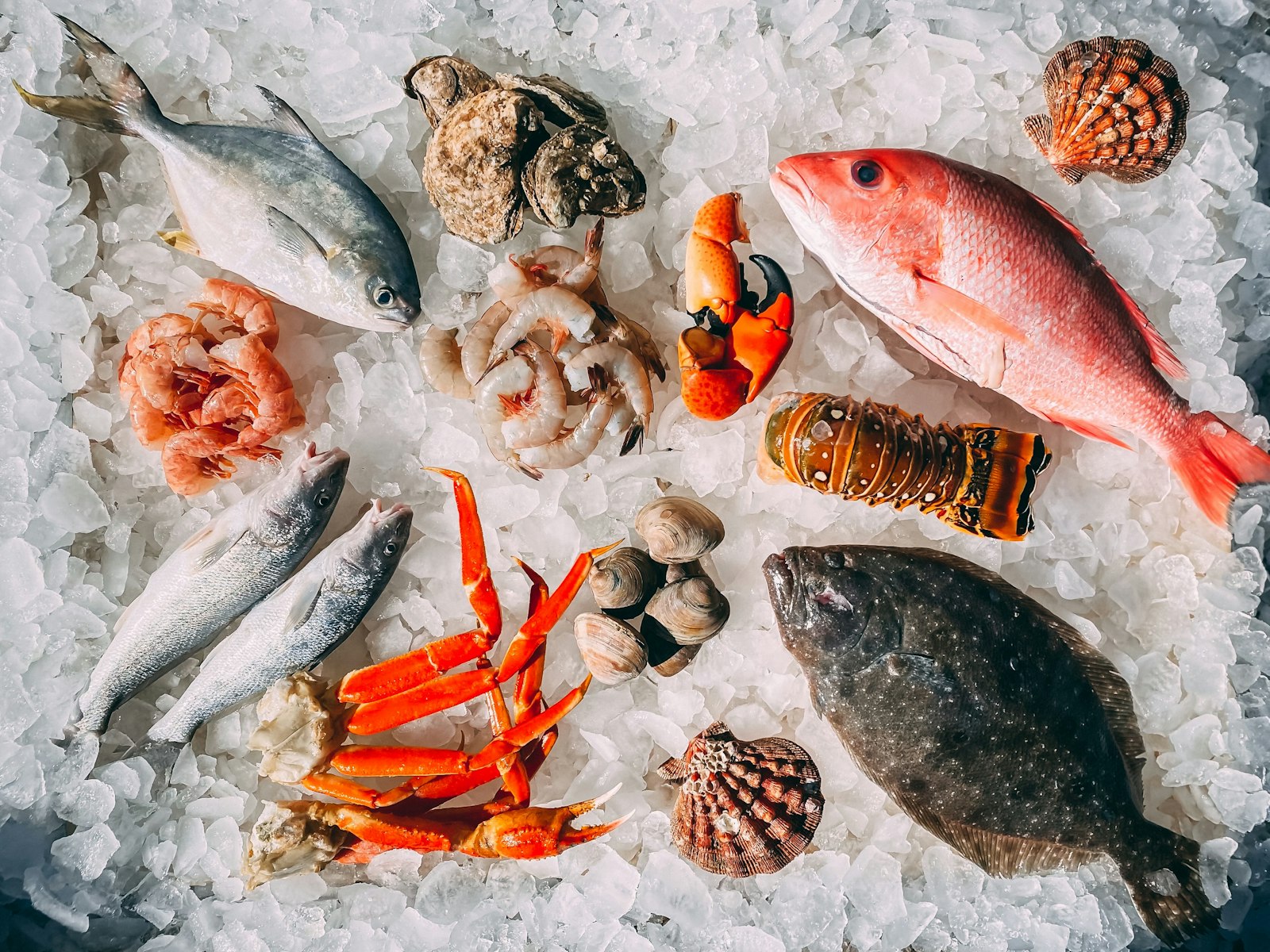
Haem iron, from meat, poultry and fish, is absorbed at a relatively high and fairly stable rate — roughly a quarter of what is eaten, give or take, and not much affected by the rest of the meal.
Non-haem iron, from pulses, wholegrains, nuts, seeds, tofu and leafy greens, is the larger part of most European diets and is absorbed far less efficiently — often in low single-digit percentages. Crucially, that figure is not fixed. It moves a great deal depending on what else is on the plate.
What moves absorption
Two levers, and they work in opposite directions.
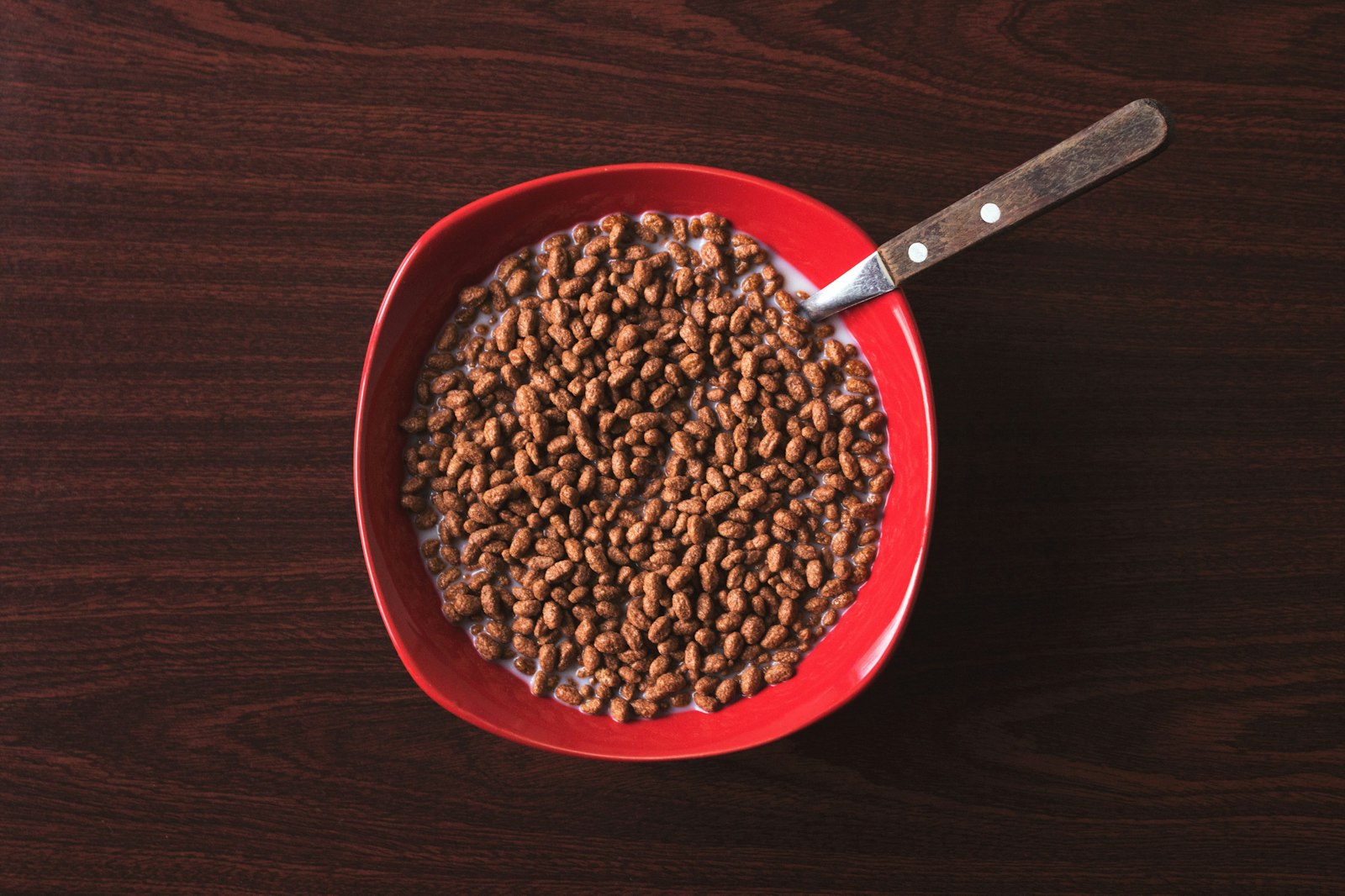
Vitamin C helps, substantially. Ascorbic acid in the same meal keeps non-haem iron in the form the gut can take up. Lemon juice on lentils, peppers in a bean stew, a glass of orange juice with fortified cereal — these are not folk remedies, they are the mechanism.
Tea and coffee hinder, substantially. Polyphenols bind non-haem iron. A strong tea with a meal can cut absorption from that meal sharply. The fix is timing rather than abstinence: drink it an hour either side rather than alongside. Calcium and phytate in wholegrains and pulses also reduce uptake, which is part of why the absorption figure for plant iron is so low.
For someone eating mostly plant iron, when they drink their tea matters more than how much spinach they eat.
Spinach, and an old arithmetic error
Spinach’s reputation as an iron powerhouse traces to a transcription error in 19th-century data, repeated for a century. Spinach contains a respectable but unremarkable amount of iron, and it is non-haem iron accompanied by oxalates that impede its absorption. It is a good vegetable. It is not a treatment.
When to stop reasoning and get tested
Persistent fatigue, breathlessness on ordinary exertion, pallor and reduced exercise tolerance are the classic signs, and they are also the signs of a dozen other things. Anaemia is diagnosed with a blood test, iron status with ferritin, and the interpretation belongs to a doctor.
This matters more than usual with iron, because the supplement is not benign. Excess iron accumulates — the body has no way to dump it — and in people with haemochromatosis, which is not rare in northern Europe, routine supplementation is actively harmful. Iron is the one nutrient where “I’ll just take some to be safe” is the wrong instinct.