Nobody argues about fibre. There’s no fibre influencer war, no contrarian fibre podcast. Perhaps as a result, nobody eats enough of it either.
The reference number
EFSA sets the adequate intake for adults at 25 grams of dietary fibre per day, based on what supports normal bowel function. Intake surveys across European countries repeatedly report averages below that mark — fibre is one of the most common quiet shortfalls in otherwise adequate diets.
What 25 grams looks like
Fibre numbers are unintuitive because fibre-rich foods are mostly other things — water, starch, protein — with fibre along for the ride. A rough day that gets there:
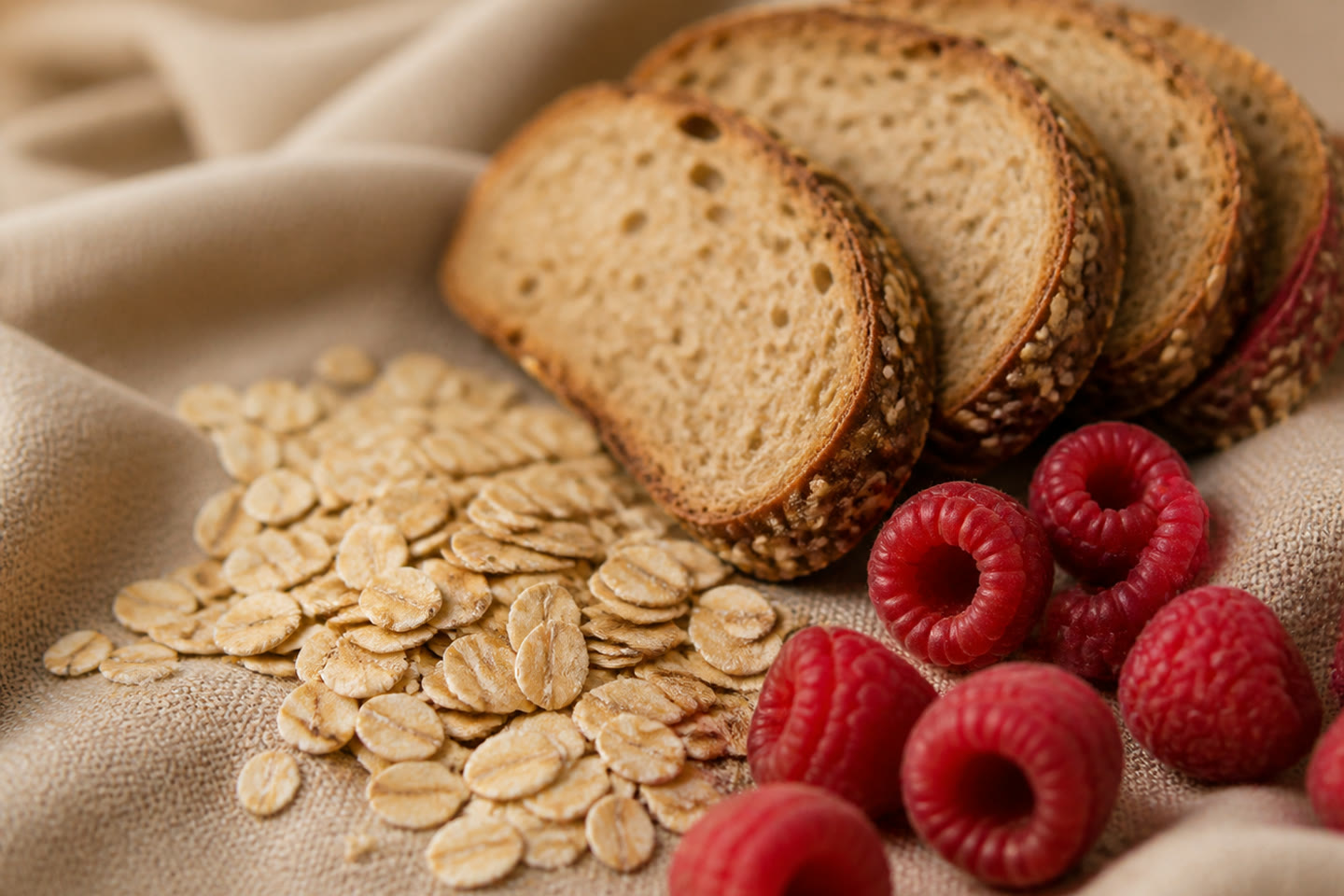
- Porridge from a decent bowl of oats with a handful of raspberries
- Wholegrain bread instead of white with lunch
- A serving of lentils, beans or chickpeas — the single biggest lever on the list
- Two or three pieces of fruit and vegetables through the day — the WHO’s healthy-diet guidance works from at least 400 g of fruit and veg daily, and that volume quietly carries a lot of fibre with it
No single heroic food; the pattern does the work.
The two-lever shortcut
If tracking grams sounds unbearable, two swaps move most people a long way:
- Grains: refined → whole. Same meals, same habits, more fibre — bread, pasta, rice all have wholegrain versions.
- Legumes: occasional → routine. Beans and lentils are dense in fibre in a way vegetables mostly aren’t. A few servings a week changes the weekly arithmetic.
A note on speed
Fibre intolerance stories usually involve going from very little to a lot overnight. Ramp up gradually and drink water with it, and the transition is generally uneventful. If a specific gut condition is in the picture, that’s a conversation for a clinician, not a food blog.